Reduce the appearance of spider veins, thread veins and selected small superficial veins on the legs with doctor-led sclerotherapy at Vitabella Clinic Dublin.
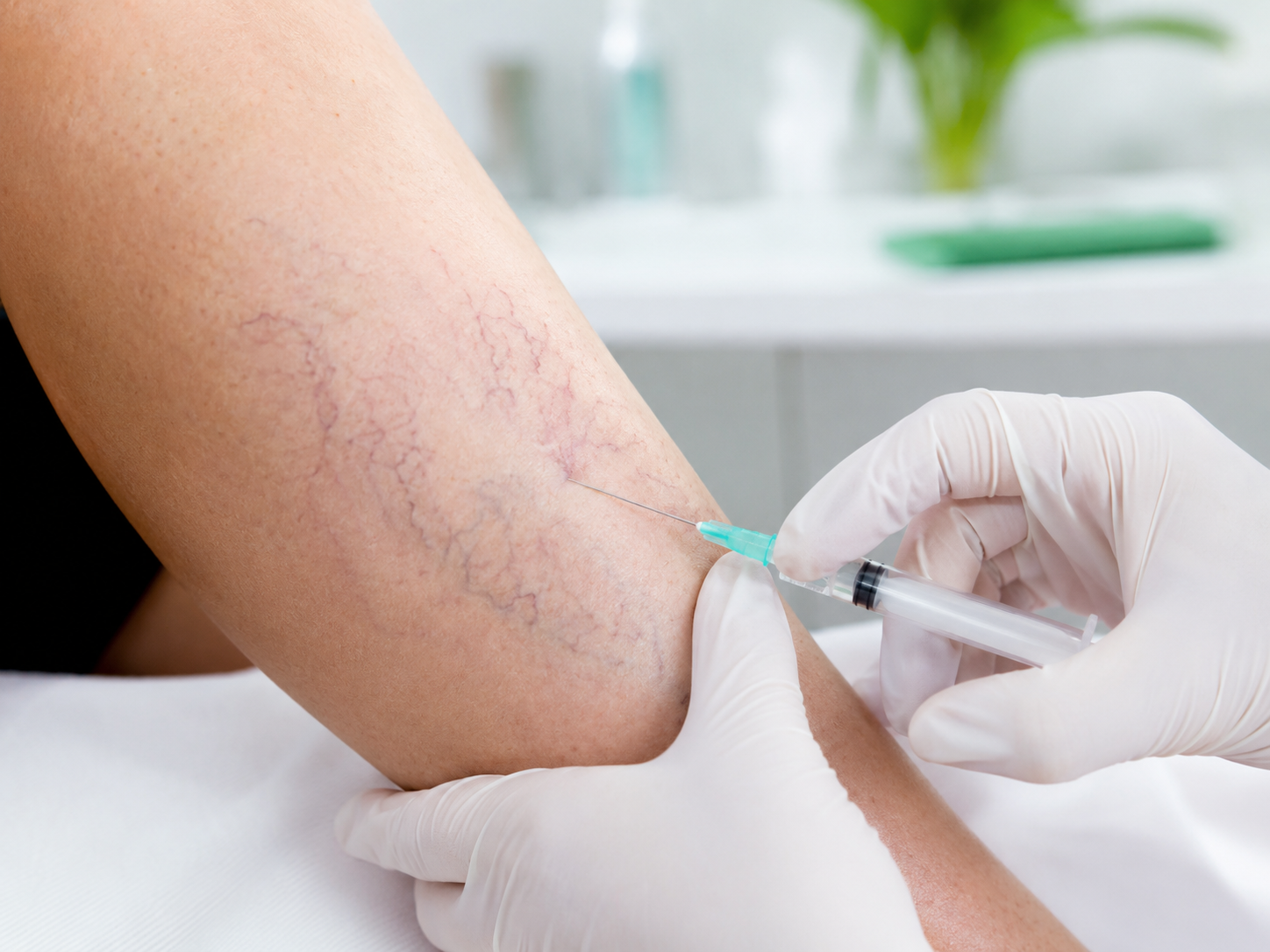
Sclerotherapy is a minimally invasive medical treatment that involves injecting a specialised solution directly into the selected vein. This causes the vein to close gradually and become less visible over the following weeks.
Every patient receives a medical assessment before treatment to confirm whether sclerotherapy is appropriate and to create a personalised treatment plan.
The cost of sclerotherapy depends on the number, size and extent of the veins being treated.
Some patients may achieve a noticeable improvement following one treatment, while others may require a course of sessions. Your doctor will assess the veins and explain the recommended treatment plan before proceeding.
Treatment time: Approximately 30–45 minutes
Anaesthetic: Usually not required
Downtime: Minimal for most patients
Results: Gradual improvement over several weeks
Sessions: One or more treatments may be recommended
clerotherapy is an established medical treatment for reducing the appearance of spider veins, thread veins, reticular veins and selected small superficial veins on the legs.
A very fine needle is used to inject a sclerosant solution directly into the selected vein. The solution causes the walls of the vein to close together. Blood is then naturally redirected through healthier veins, while the treated vessel is gradually absorbed by the body.
Sclerotherapy may be suitable for:
The treatment is not normally suitable for large, raised or bulging varicose veins without further vascular investigation.
Results are gradual rather than immediate. Smaller spider veins may begin to fade within several weeks, while larger treated veins can take longer.
Sclerotherapy provides a targeted, non-surgical approach to treating visible spider and thread veins on the legs.
It can treat multiple small veins during the same appointment without surgical incisions or general anaesthetic.
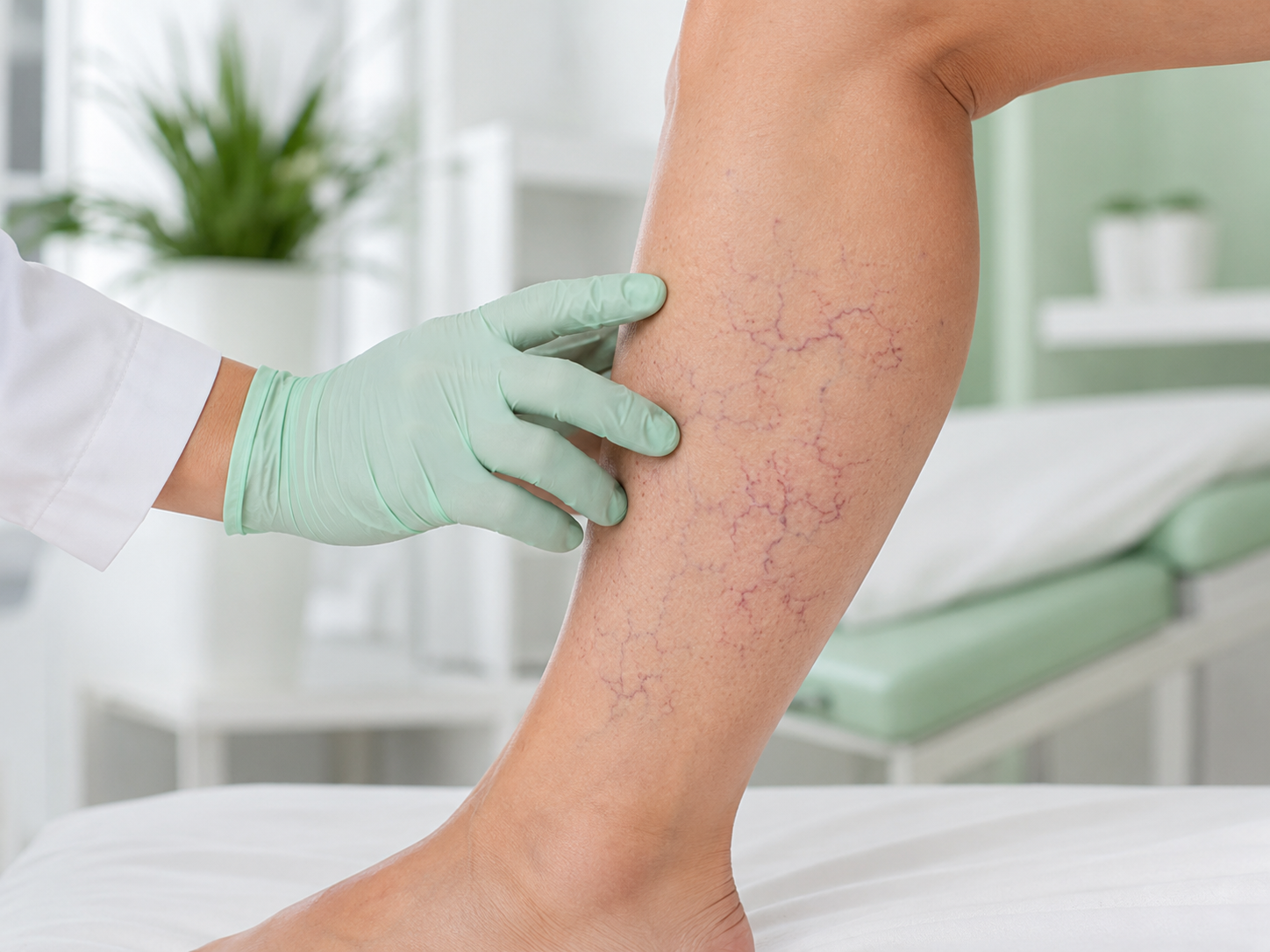
Visible spider veins and thread veins can appear as red, blue or purple lines beneath the skin. They may occur individually or in web-like clusters and can become more noticeable over time.
Sclerotherapy works by treating the vein directly rather than attempting to cover or disguise it. Once the treated vein closes, the body gradually breaks it down and absorbs it.
Benefits of sclerotherapy may include:
Your doctor will assess the size, depth and pattern of the veins before treatment.
Patients with large varicose veins, persistent swelling, significant pain, skin changes or a history of blood clots may require a vascular assessment or ultrasound before cosmetic treatment is considered.
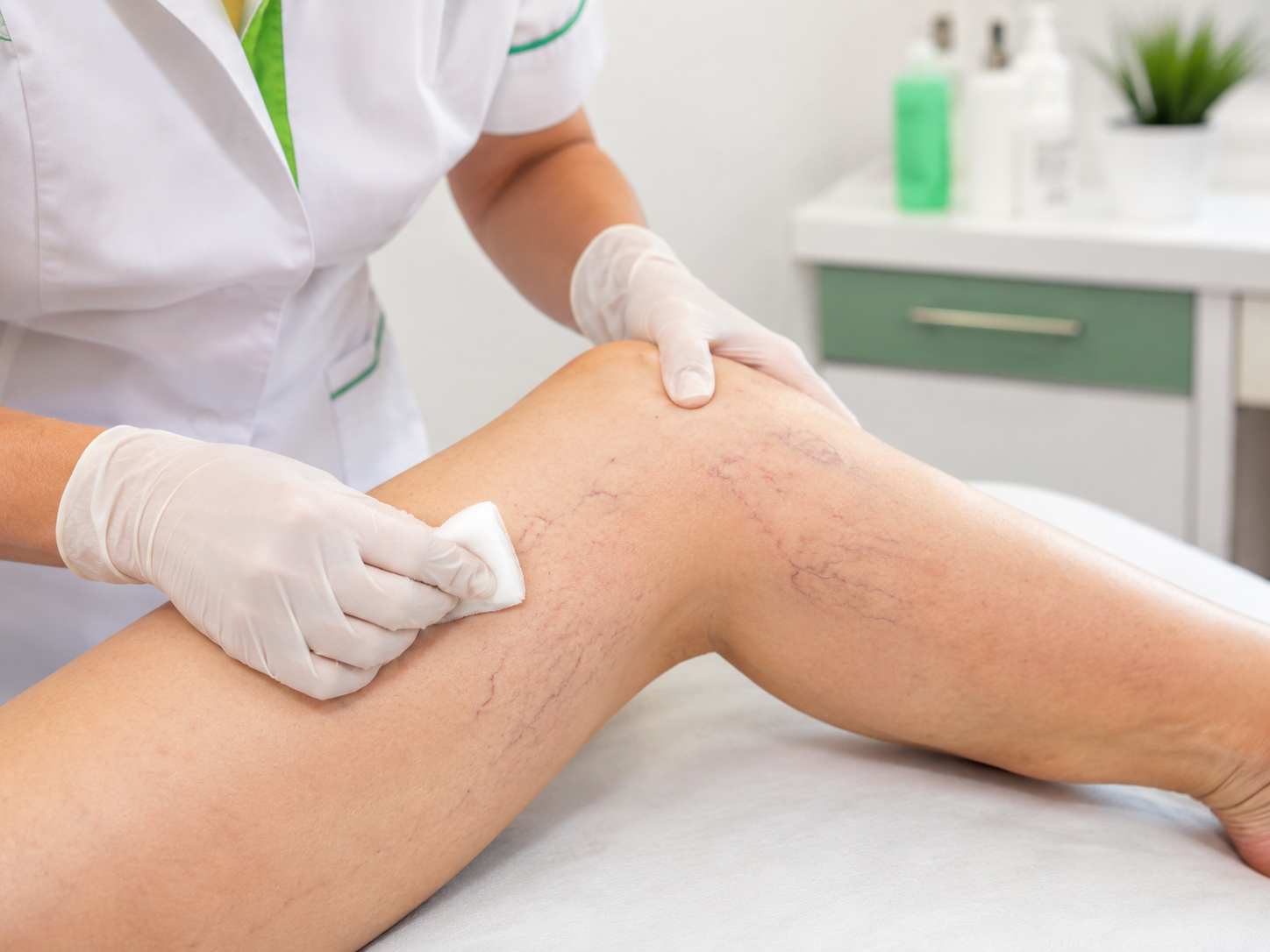
Your appointment begins with a medical consultation and examination of the veins.
The doctor will review your medical history, medications, previous vein treatments, allergies and any history of blood clots or vascular conditions. The size, location and pattern of the veins will then be assessed to determine whether sclerotherapy is suitable.
Most patients describe the treatment as manageable. You may notice a brief pinching, stinging or mild cramping sensation during some injections.
During your sclerotherapy appointment:
The number of injections required depends on the size and number of veins being treated.
It is normal for treated veins to appear temporarily red, bruised, darker or slightly raised before they begin to fade.
Before your appointment:
Do not stop aspirin, anticoagulants or prescribed medication unless advised by your prescribing doctor.
Sclerotherapy is generally postponed during pregnancy and breastfeeding. Treatment is not suitable where an active blood clot is present.
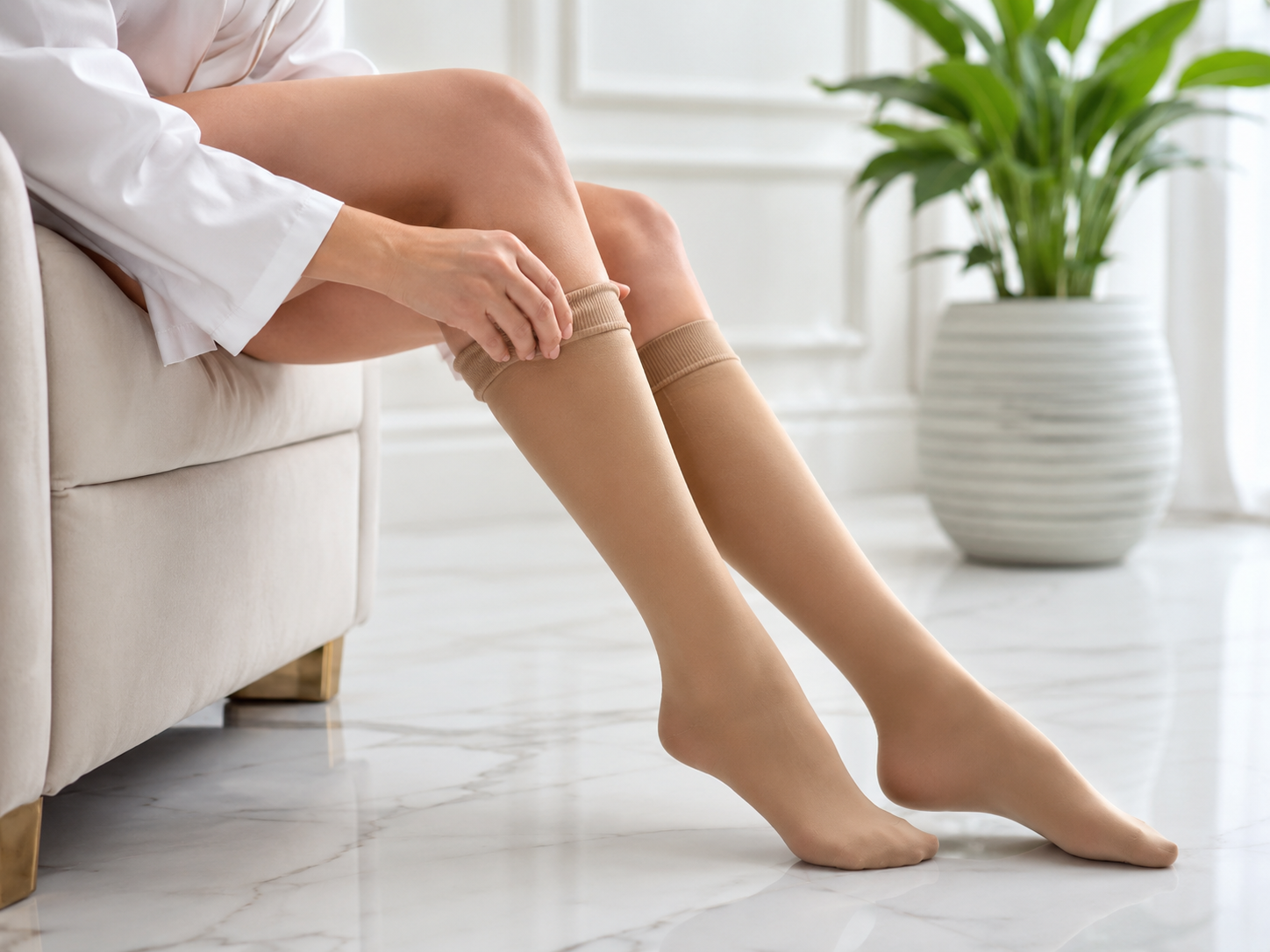
Following treatment, you may be advised to:
Temporary bruising, redness, tenderness, firmness, pigmentation or mild swelling can occur after sclerotherapy.
Contact the clinic if you experience symptoms that concern you. Seek urgent medical attention for chest pain, breathing difficulty, coughing blood or sudden significant swelling of one leg.
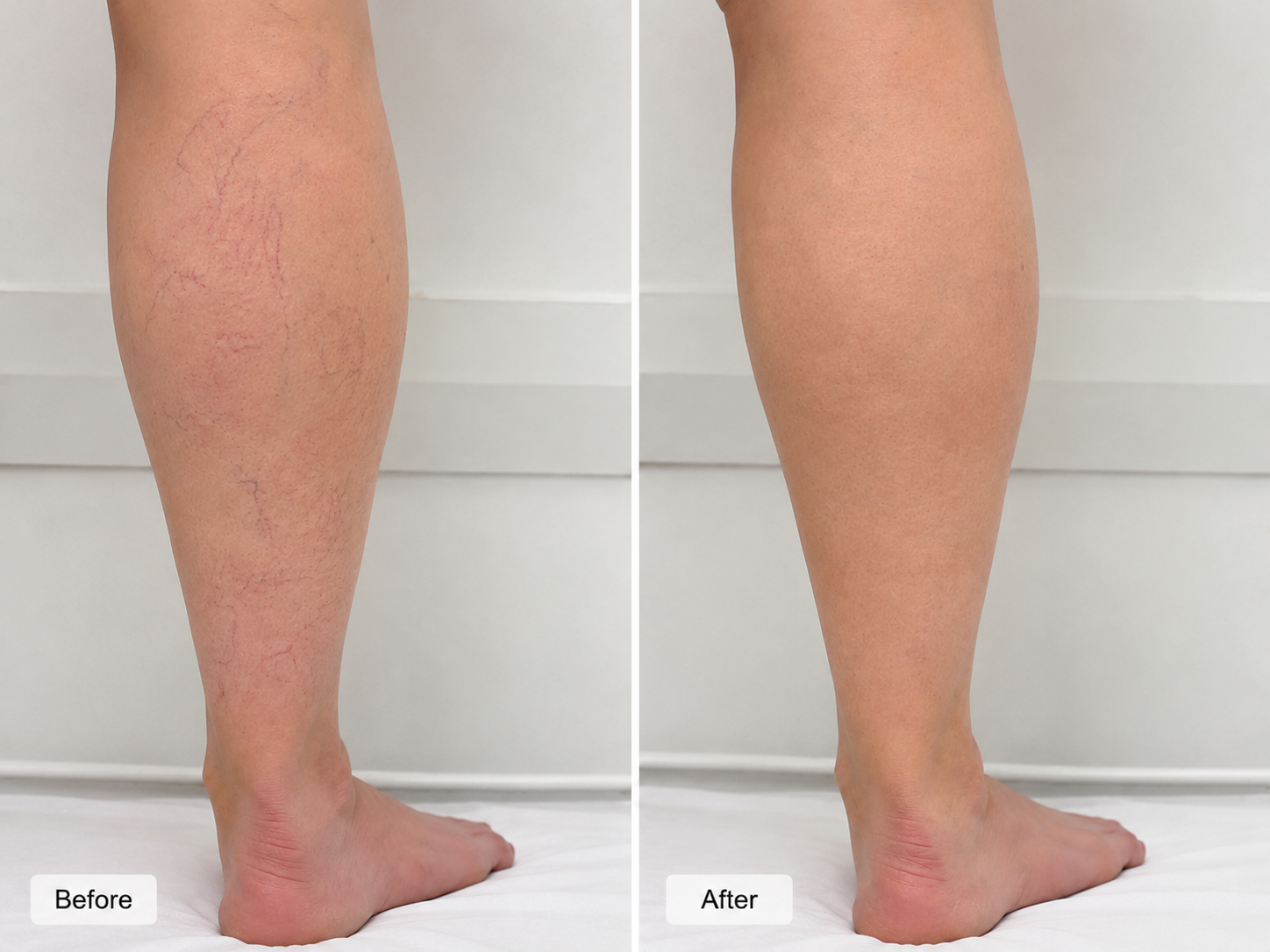
Sclerotherapy may provide:
Successfully treated veins generally remain closed. However, sclerotherapy does not prevent new spider veins or thread veins from developing in the future.
The number of sessions and the degree of improvement vary between patients. Complete removal of every visible vein cannot be guaranteed.
Vitabella Clinic is a doctor-led medical aesthetic clinic providing personalised treatments in a professional clinical environment.
Our approach to sclerotherapy is based on careful medical assessment, realistic expectations and treatment only where it is considered appropriate.
Before proceeding, the doctor will assess whether the veins are suitable for sclerotherapy or whether further investigation is required.
Patients may be advised to seek a vascular assessment where they have:
Our priority is not simply to inject every visible vein. It is to recommend the safest and most appropriate treatment pathway for each patient.
Book a consultation at Vitabella Clinic to determine whether sclerotherapy is suitable for your spider veins, thread veins or small visible leg veins.
Your template may have another FAQ section further down the page. Add these questions there because they can help the page rank for common searches.
Sclerotherapy is a medical treatment used to reduce spider veins, thread veins and selected small superficial veins. A specialised solution is injected directly into the vein, causing it to close and gradually fade.
Yes. Sclerotherapy is commonly used for small spider veins and thread veins on the legs. A medical assessment is required to confirm suitability.
Microsclerotherapy refers to sclerotherapy performed using very fine needles to treat particularly small spider veins and thread veins.
Some patients may see a good improvement following one session. Others may require two or more treatments depending on the number, size and pattern of the veins.
Small spider veins may begin to fade within several weeks. Larger treated veins may take several months to settle fully.
Most patients experience brief pinching, stinging or mild cramping during the injections. Anaesthetic is not normally required.
Compression stockings are often recommended following treatment. Your doctor will advise how long they should be worn.
Walking is normally encouraged. Strenuous exercise may need to be avoided temporarily according to your doctor’s aftercare instructions.
This service is primarily intended for spider veins, thread veins and selected small superficial veins. Large or bulging varicose veins may require ultrasound assessment and treatment by a vascular specialist.
Successfully treated veins normally remain closed, but new spider veins can develop in other areas over time.
Sclerotherapy is generally not performed during pregnancy and is normally postponed during breastfeeding.
Temporary bruising, redness, tenderness, firmness, pigmentation and swelling can occur. Less common complications will be explained during your medical consultation and consent process.
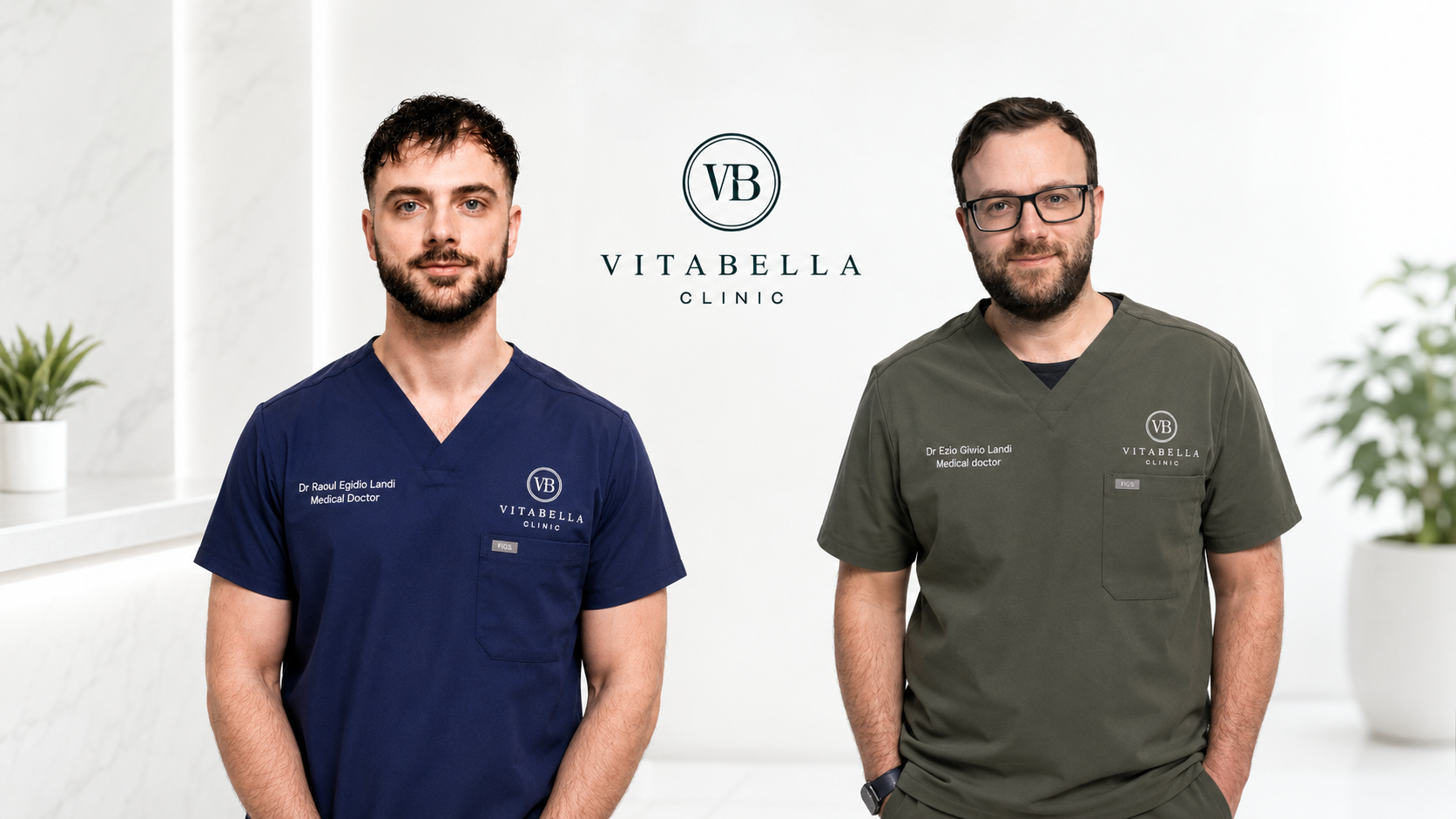
Most experience minimal discomfort due to Dr Landi’s precise technique.
You’ll notice changes almost immediately, with final effects within 1–2 days.
Yes—once filler is dissolved, it’s gone permanently.
Minimal—normal activities resume quickly, with just a few simple restrictions.